
Monday Meditation
Breathing Your Way Back Home
A Buddhist parable of a blind turtle inspires reflection on life’s rarity, balancing samsara’s struggles with presence and spiritual homecoming.

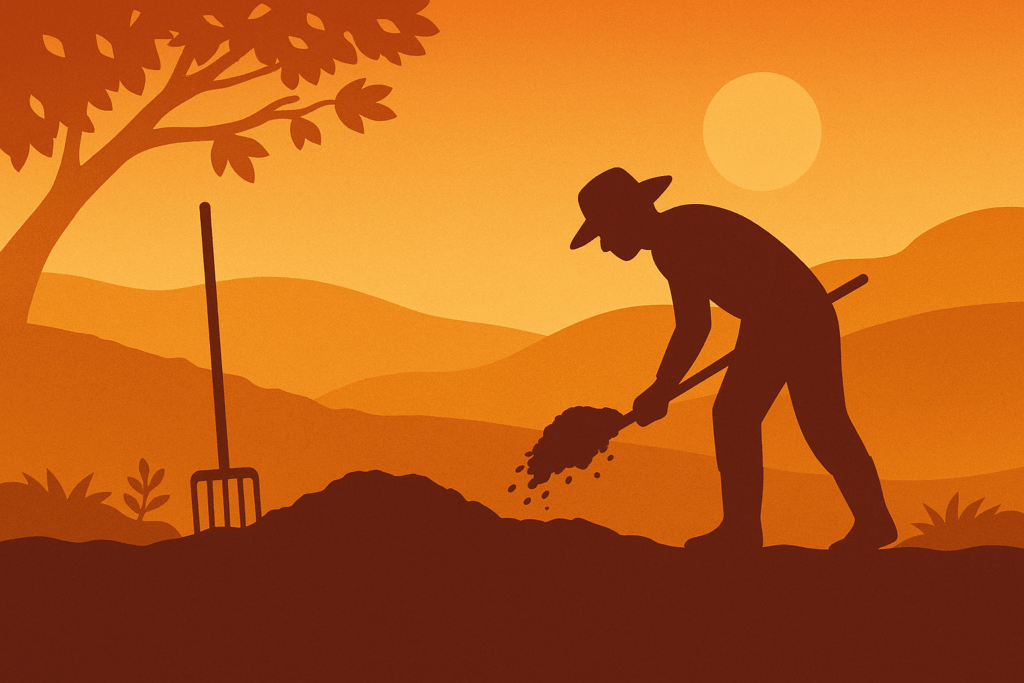
As the days shorten and temperatures drop in October, many gardeners in the Northern Hemisphere think the season is winding down. The harvest has come in, beds are cleared, and there’s a temptation to step away until spring. But in truth, autumn is one of the most important times to invest in your soil.
What you do now shapes the health of your garden months from today. Bare soil left exposed through the winter loses nutrients, erodes, and compacts under rain and snow. But soil that is fed, covered, and biologically active continues to build strength in the quiet season. Come spring, it will be primed to support vigorous plants without the need for heavy fertilizers or constant correction.
This year, our approach is simple but powerful. We are preparing a plot with three layers of care: a thick blanket of leaf mulch, the introduction of 5,000 worms, and a generous topping of compost. Finally, we inoculate the whole system with a biological brew – compost tea teeming with life – that ignites the microbial engine beneath the surface.
Here’s a breakdown of how and why this process works, and how you can adapt it in your own garden.
Every fall, trees release their leaves in a grand return of nutrients to the soil. Too often, leaves are bagged, burned, or sent away—treated as waste instead of treasure. But when left in place, leaves begin their journey into leaf mold: a dark, crumbly, spongy material beloved by gardeners for centuries.
Leaf mold is rich in humus, improves water retention, and creates a habitat where fungi flourish. It’s essentially slow-motion composting with a fungal tilt. By layering farm leaf debris across our plot, we are mimicking the forest floor—where nothing is wasted and every season builds the soil for the next.
Best practices: Shred or mow leaves before spreading to prevent dense mats that can repel water. A 3–6 inch layer is ideal for garden beds.
Worms are not just passengers in the soil; they are engineers. Introducing 5,000 worms into a prepared bed means introducing thousands of tiny workers who will never take a day off.
As they move through the soil, worms create micro-tunnels that naturally till the earth. This aeration allows air and water to penetrate deeper, preventing compaction and creating the loose, friable texture gardeners dream of.
Worms also digest organic matter and excrete it as worm castings – sometimes called “black gold.” Castings are concentrated packets of plant-available nutrients, coated with beneficial microbes and humic substances that improve nutrient uptake. In fact, research shows that soils enriched with worm castings can increase plant growth, resilience to pests, and even flavor in fruits and vegetables.
Best practices: Introduce worms beneath the leaf mulch layer so they remain protected from birds, frost, and sunlight. Ensure adequate moisture—worms thrive in damp, not waterlogged, conditions.
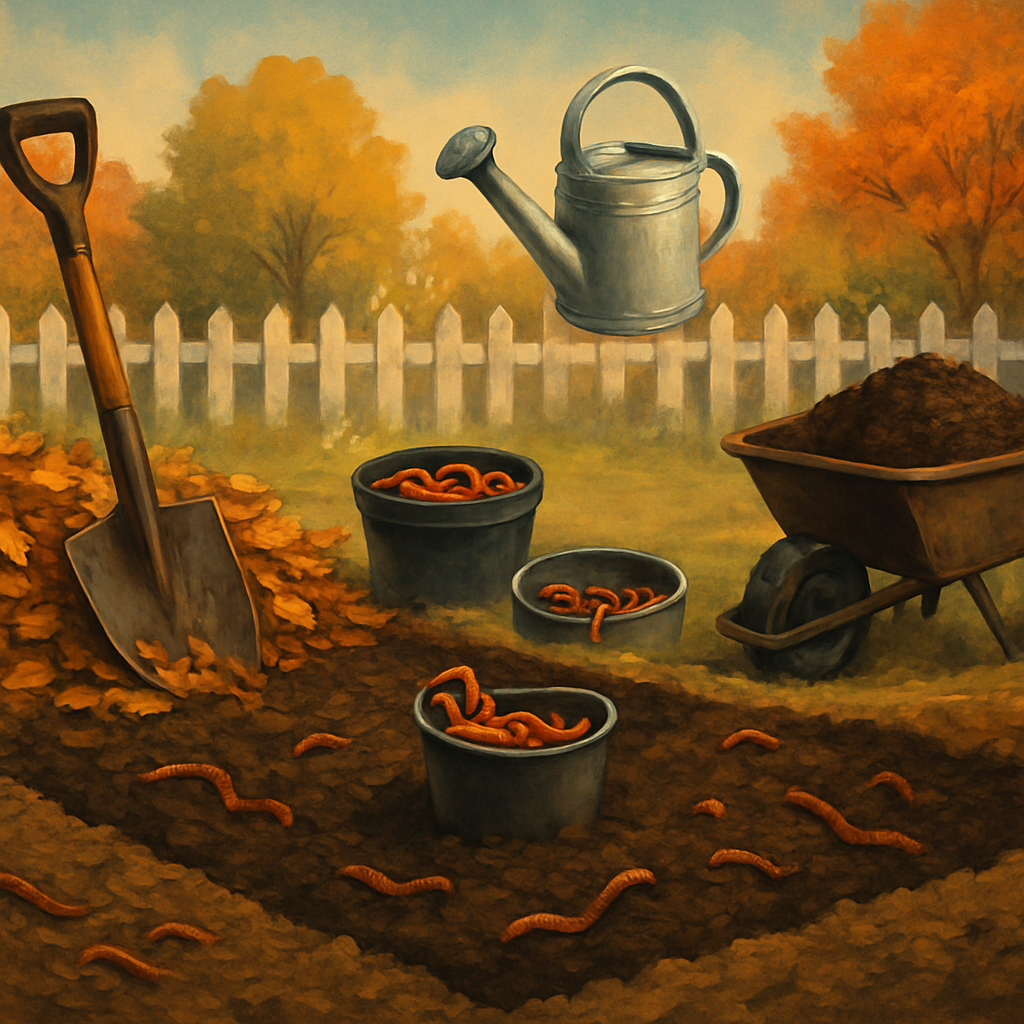
After leaf mulch and worms, the next step is adding a load of finished compost across the plot. Compost is the foundation of soil health, providing organic matter, balanced nutrients, and a habitat for countless microorganisms. We have worked with a local soil provider for years here on the farm. We have a trusted partner that provides a really nice blend of balanced compost.
This layer acts like a capstone: it locks in the leaf mulch below, retains moisture, and insulates the worms as they settle in. At the same time, it offers a banquet of food for microbes, fueling the soil web through the winter.
Best practices: Use mature, high-quality compost that smells earthy and is free of synthetic chemicals. The more diverse the inputs—manure, plant material, wood chips—the more diverse the microbial population will be. Spread compost evenly in a layer 2–4 inches deep.
The final step is the most exciting: inoculating the entire area with a biological brew. Compost tea is essentially a living liquid fertilizer, brewed by aerating compost in water with food sources like molasses or fish hydrolysate. After 24 hours, the brew teems with bacteria, fungi, protozoa, and beneficial nematodes.
When applied to soil, compost tea is like reseeding the microbial landscape with fresh life. It accelerates decomposition, colonizes plant residues with protective microbes, and boosts nutrient cycling. Spraying or drenching the plot after layering leaves, worms, and compost ensures that all of these materials come alive quickly, rather than waiting months for biology to establish itself. We use a large 275gal tote to fill and brew and then we deploy it with a simple submersible pump and garden hose.
Best practices: Brew tea aerobically with an air pump to encourage oxygen-loving organisms. Use clean water free of chlorine or chloramine. Apply soon after brewing for maximum vitality.
This four-part approach—leaf mulch, worms, compost, and compost tea—works because it builds soil as an ecosystem rather than treating soil as a medium. Each layer reinforces the others:
Instead of synthetic inputs, you are fostering relationships between organisms. Over the winter, this synergy quietly transforms your soil. By spring, what was once raw material will have become living soil—rich, balanced, and ready for planting.
Fall soil-building is an important preparation; it’s investing in your future self. Just as trees return their leaves to the earth each year, gardeners can return organic matter to their soil in layers. Over time, these practices accumulate, and your garden grows more resilient with each cycle.
Soil building is not a single event but a long conversation with the land. When you invest in biology—worms, microbes, fungi—you are investing in resilience, abundance, and life itself.
CrossFit popularized the phrase “train to not suck at life.” In many ways, soil-building is the same. By training your soil with organic matter and biology now, you give it the resilience to face drought, pests, and the stresses of next season.
This fall, before you put your tools away, take time to prepare the ground. Layer leaves, restock the worms, cover it with compost, and spark it with a living brew. In a few months, when spring sunlight returns, you’ll be glad you gave your soil this head start.
A Buddhist parable of a blind turtle inspires reflection on life’s rarity, balancing samsara’s struggles with presence and spiritual homecoming.

Pablo Neruda’s “Keeping Quiet” teaches stillness amid chaos, reminding us that silence, breath, and presence restore peace and balance.

Inspired by Rory McIlroy’s Masters win and local golf struggles, this meditation explores resilience, nerves, and the courage to persevere.